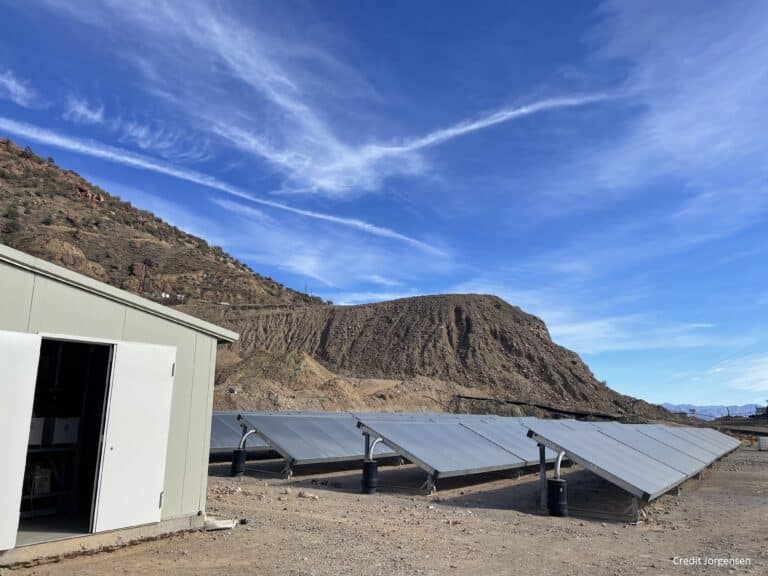
Savosolar’s first commercial solar cooling system was delivered to a school in Ukraine. The entire school was pre-fabricated in Finland and delivered to Ukraine by Elemenco Oy.
Outside of the cooling period, the solar thermal system produces energy for domestic hot water and space heating needs. During the hot summer time, three adsorption chillers cool the building via the air handling unit. The adsorption chillers, which were delivered by Savosolar, are driven by the solar thermal system.
Swimming halls are very well suited for solar thermal production. Typically, their heat consumption is big and the required temperature level tends to be relatively low. In such cases solar thermal collectors are operating with a very high efficiency.
However, quite often swimming halls are closed some time of the year and summertime closure may mean extra challenges for solar heat supply.
For Hämeenlinna swimming hall Savosolar solved this issue by feeding surplus solar energy in summer to the nearby district heating network. Thus, the solar system is producing heat all days and depending on the swimming hall’s actual heat demand, the facility is either a district heating provider or a consumer.
Savosolar’s first commercial solar cooling system was delivered to a school in Ukraine. The entire school was pre-fabricated in Finland and delivered to Ukraine by Elemenco Oy.
Outside of the cooling period, the solar thermal system produces energy for domestic hot water and space heating needs. During the hot summer time, three adsorption chillers cool the building via the air handling unit. The adsorption chillers, which were delivered by Savosolar, are driven by the solar thermal system.
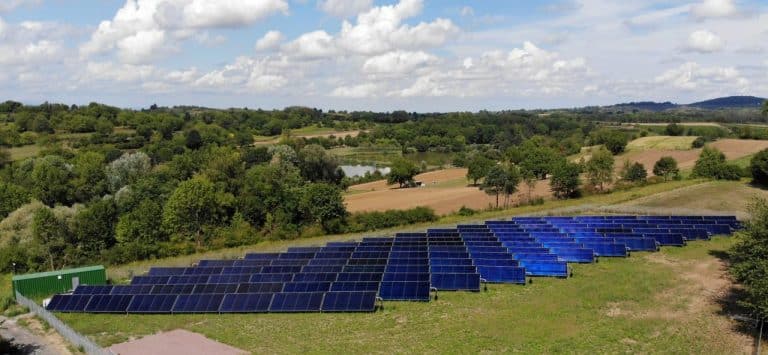
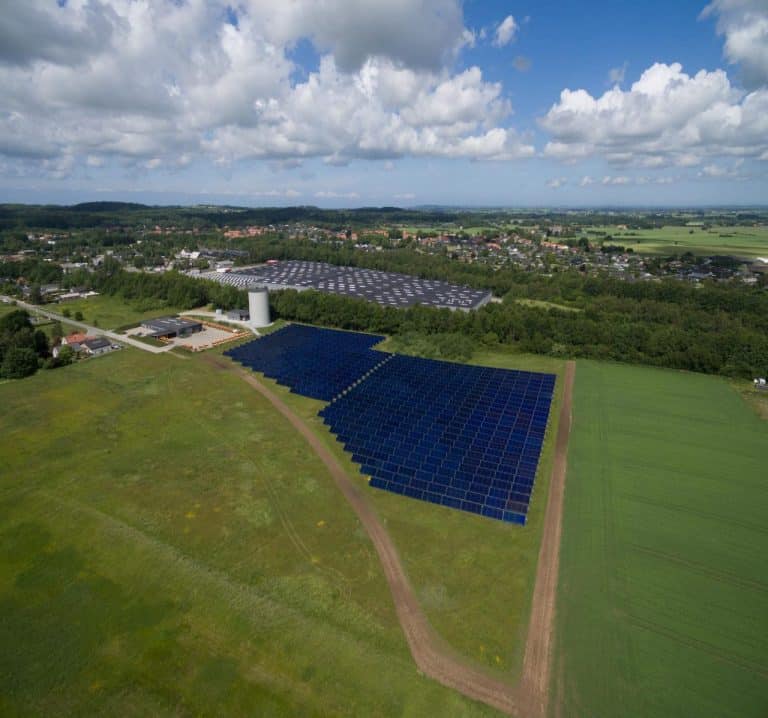
Savosolar delivered -once again- the largest solar thermal installation in Finland. This system is located way North in Tupos, Liminka – less than 200 km from the Arctic Circle.
The heating load of Tupos district heating is usually covered by wood pellets. Yet during summer time, the load is often so low, that the substantial wood pellet burner cannot be properly used and an oil burner got used, instead. The special challenge here has been to design a very efficient solar thermal system that could replace the oil consumption in summer to run the district heating network almost completely fossil-free.